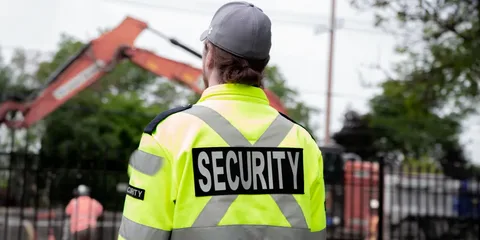
Security Guard Jobs in Australia
If you’re looking for a stable, accessible job in Australia with clear entry points, security guard work is one of the most practical options — whether you’re just starting your working life, changing careers, or planning to move to Australia. The security industry supports major businesses, events, government facilities, public spaces, and transport hubs. Australia’s growing population, varied tourism, and corporate environments mean there’s ongoing demand for trained security professionals.
This guide covers:
- What security guard jobs actually involve
- Typical pay and salary expectations (2026 figures)
- Licensing and legal requirements
- Visa and work permit pathways for foreigners
- Where to find jobs and how to apply
- Career progression and growth
- Pros, cons, and insider tips
Let’s break it down in clear, realistic terms — without the fluff.
🇦🇺 What Do Security Guard Jobs in Australia Actually Involve?
Security guards in Australia protect people, property, and assets — but the work can vary significantly depending on location and assignment.
Here are common roles:
🔹 Static (Stationary) Security Guard
These guards are based at a fixed location such as:
- Shopping centres
- Office buildings
- Construction sites
- Hospitals
- Schools
Typical tasks:
✔ Monitor access points
✔ Check credentials
✔ Patrol property on foot or by vehicle
✔ Operate CCTV systems
✔ Report incidents and complete logs
✔ Respond to alarms or incidents
🔹 Mobile Security Patrol Officers
These guards move between multiple sites — especially after hours — in a team vehicle.
Tasks include:
✔ Driving scheduled routes
✔ Checking doors, gates, alarms
✔ Assisting with incident response
✔ Monitoring remote sites
🔹 Event Security
Located at concerts, sports matches, festivals and nightlife venues.
Tasks include:
✔ Crowd control
✔ Bag searches
✔ Ticket and access checks
✔ De‑escalating issues
✔ Liaising with police or medical teams
Event security is often fast‑paced and requires good customer service along with safety skills.
🔹 Loss Prevention / Retail Security
Guards attached to retail stores or malls focused on:
✔ Preventing theft
✔ Monitoring CCTV
✔ Interacting with customers professionally
✔ Working with store management
This role demands both vigilance and customer service skills.
🔹 VIP / Close Protection
Higher‑security roles involve guarding specific individuals.
Requirements often include:
✔ Additional training
✔ Background clearances
✔ Sometimes firearms or protective training
These are specialised and higher‑paying, but also more competitive.
💰 How Much Do Security Guards Earn in Australia (2026)?
Pay varies based on role, location, employer, and your certifications. Here’s a realistic overview:
🧑✈️ Typical Salary Ranges
| Role | Typical Pay | Notes |
|---|---|---|
| Entry‑Level Security Guard | AUD $25 – $32 per hour | Most static / mall / basic site guards |
| Event / Crowd Control Guard | AUD $28 – $35 per hour | Often casual / night shifts |
| Mobile Patrol Guard | AUD $30 – $38 per hour | Requires patrol vehicle skills |
| Loss Prevention / Retail Security | AUD $28 – $36 per hour | Some sales floor interaction |
| Close Protection / VIP | AUD $45 – $70 per hour | Highly specialised roles |
Full‑time annual equivalents (for consistent hours) are typically AUD $50,000 – $75,000+, with higher rates for specialised, supervisory, or heavily‑certified roles.
💡 Shift premiums — many companies pay extra for evening, weekend, or overnight shifts.
💡 Location matters — major cities like Sydney, Melbourne, Brisbane and Perth often pay more than regional areas, but regional jobs may come with other benefits.
📜 What Licenses & Requirements Do You Need?
This is one of the most important sections. Australia regulates security work strictly, and you cannot work legally without meeting licensing requirements.
🪪 1. Security License (State / Territory Based)
Security work in Australia is regulated by state/territory authorities. There is no single national license.
Here’s how it works:
You must apply for a security officer licence with the relevant authority in the state you intend to work in. Common states include:
- NSW Police Force – Security Licensing & Enforcement Directorate (SLED)
- Victoria – Consumer Affairs Victoria (CAV)
- Queensland – Queensland Police Service licensing
- Western Australia – Department of Mines, Industry Regulation and Safety
- South Australia – Attorney‑General’s Department
- Tasmania – Department of Justice
- ACT & NT – Separate licensing authorities
🧑💻 Key Requirements (Typical Across Most States)
✔ Be at least 18 years old
✔ Australian or valid visa with work permission
✔ Clean criminal history (no serious convictions)
✔ Undertake a security licence course (Certificate II or III in Security Operations)
✔ Complete a national police check
✔ Provide identification (passport, photo ID)
✔ Proof of address and paperwork
📚 2. Mandatory Training
You must complete approved security training — typically:
✔ CPP20218 Certificate II in Security Operations (minimum)
✔ CPP40321 Certificate IV in Security and Risk Management (for supervisors)
Training covers:
- Legal powers and limitations
- Reporting and recording
- Risk control
- Emergency response
- Patrol procedures
- Communication and customer service
Training may take 1–3 months depending on delivery (classroom vs online).
🥇 3. Additional Endorsements
Some roles require extra licensing:
✔ Crowd Control endorsement
✔ Cash‑In‑Transit (CIT) licence
✔ Dog Handler endorsements
✔ Security Screening Officer training
These often increase your pay and ability to access higher‑level jobs.
🧠 4. Skills & Attributes Employers Want
Even with a licence, employers look for:
✔ Strong communication skills
✔ Professional demeanour
✔ Good English literacy
✔ Problem‑solving under pressure
✔ Basic first‑aid / emergency skills
✔ Reliability and punctuality
Some employers also require a Working with Vulnerable People Check (WWVP) — especially if guards work with children or at sensitive locations.
🌍 Can Foreigners Work as Security Guards in Australia?
Yes — but you must have valid work authorization before you begin work. You cannot be employed legally without it.
Security guard jobs are often not automatically eligible for visa sponsorship — but many roles are eligible for skill‑based visas if they meet criteria.
🛂 Visa Options That May Support Security Guard Jobs
🟡 1. Skilled Independent Visa (Subclass 189)
For eligible security roles listed on the skilled occupation lists with valid skills assessments. Security Supervisor roles sometimes appear on these lists in some states.
🟢 2. Skilled Nominated Visa (Subclass 190)
State sponsorship for nominated roles including certain security occupations — you must meet state criteria and live in that state for a period.
🔵 3. Skilled Regional Visa (Subclass 491)
For regional Australia demand — some states nominate security roles in regional areas facing shortages.
🧑💼 4. Employer‑Sponsored Visas
If an Australian security company needs a guard and cannot find local staff, they may sponsor a candidate via:
✔ Subclass 482 — Temporary Skill Shortage (TSS)
✔ Subclass 186 — Employer Nomination Scheme
✔ Subclass 494 — Regional Employer‑Sponsored
However, entry‑level security jobs rarely offer visa sponsorship — employers usually expect candidates to already have valid work rights in Australia. Security supervisor or specialist roles have higher chances of sponsorship (but are competitive).
📌 5. Working Holiday / Student Visa
If you hold a Working Holiday Visa or Student Visa with work rights, you may work as a security guard as long as your visa allows paid employment. Always check visa conditions — some student visas have hour limits during study periods.
📍 Where Are Security Jobs Most Common in Australia?
Demand is widespread — but some regions have higher job openings:
🏙️ Major Cities
✔ Sydney (NSW) — corporate sites, events, retail guards
✔ Melbourne (VIC) — nightlife, retail centers, construction sites
✔ Brisbane (QLD) — malls, government facilities
✔ Perth (WA) — mining complexes, corporate security
✔ Adelaide (SA) — festivals, public venues
✔ Canberra (ACT) — government and institutional roles
🌄 Regional & Rural Areas
Many regional towns also need mobile patrol guards, residential estate guards, and mining site security — and are often willing to sponsor work in regional visa categories.
🧑💻 How to Find & Apply for Security Guard Jobs (Step‑by‑Step)
Here’s a practical playbook:
📝 Step 1 — Secure Your Safety License
First, complete the required Certificate II or higher security training and apply for your state security licence.
Your application must be approved before you can legally work.
📑 Step 2 — Prepare Your Resume (Australian Style)
Your CV should include:
✔ Full legal name and contact details
✔ Security licence number and endorsements
✔ Relevant training/certifications
✔ Work or volunteer experience
✔ English level and any language skills
✔ Police check details (if current)
Use bullet points and professional formatting.
🔎 Step 3 — Search Job Listings
Places to find security roles:
✔ Seek (seek.com.au)
✔ Indeed Australia
✔ LinkedIn Jobs
✔ Jora
✔ Security company websites (Wilson Security, MSS Security, Securecorp etc.)
✔ Local council and event staffing portals
Search for terms like:
- Security Officer
- Security Guard
- Event Security
- Mobile Patrol Officer
- Loss Prevention Officer
📞 Step 4 — Apply & Interview
Security interviews often include questions like:
✔ “Describe your previous experience with patrol procedures.”
✔ “How would you handle aggressive or intoxicated individuals?”
✔ “What would you do if you observed a safety risk?”
✔ “Are you comfortable with night shifts and rotating schedules?”
Be calm, clear, and professional. Security hiring values reliability and judgement.
🛡️ Step 5 — Complete Additional Checks
Many employers will require:
✔ Updated police check (national or state)
✔ Working with Vulnerable People (if relevant)
✔ Medical checks for certain roles
✔ Drug and alcohol screening
✔ Integrity and background checks
🪪 Step 6 — Start Work & Gain Experience
Once hired:
✔ Learn company policies
✔ Understand incident reporting systems
✔ Be punctual and reliable
✔ Follow safety procedures diligently
Experience leads to promotions — such as team leader, site supervisor or mobile patrol coordinator.
📈 Career Path & Growth in Security
Entry‑level security jobs can open doors to long‑term careers.
Here’s a typical path:
👣 Entry Level
✔ Security Officer / Guard
📊 Mid‑Level
✔ Senior Guard
✔ Mobile Patrol Supervisor
✔ Loss Prevention Coordinator
🧑✈️ Advanced Roles
✔ Site Supervisor
✔ Security Manager
✔ Control Room Supervisor
✔ Operations Manager (security services)
📜 Specialist & Consulting
✔ Risk Assessment Specialist
✔ Corporate Security Advisor
✔ Private Investigation
✔ Security Trainer/Assessor
Many experienced guards transition into risk management, corporate security consulting, or compliance roles — often with additional training or qualifications.
⚠️ Pros & Cons of Security Guard Jobs in Australia
Let’s be realistic:
👍 Pros
✔ Relatively accessible with clear licences
✔ Demand exists in cities and regional areas
✔ Flexible shifts (day/night)
✔ Career progression possible
✔ Some entry roles don’t require degrees
✔ Opportunity to gain local work experience
👎 Cons
❌ Licensing takes time and cost
❌ Pay varies by shift and role
❌ Entry roles can have lower starting pay
❌ Night and weekend shifts are common
❌ Visa sponsorship is not guaranteed for entry‑level jobs
💡 Tips to Maximize Your Success
Here are real, practical insider tips:
✔ Get Additional Endorsements
Crowd control, mobile patrol, dog handling — these make you more hireable and often pay better.
✔ Keep Your Licence Current
Lapsed licences or incomplete training means losing job eligibility.
✔ Stay Fit & Professional
Security work often involves long standing, patrols, crowd management — good physical and presentation standards help.
✔ Learn Basic First Aid
Many employers value first aid training and emergency response knowledge.
✔ Network With Recruiters
Security companies sometimes hire before public listings — recruiters and staffing agencies can help.
🧠 Final Thoughts: Is Security Work Right for You?
Security guard jobs in Australia offer a realistic, accessible entry route to employment, particularly if you:
✔ Enjoy structured roles with responsibility
✔ Are dependable and good with people
✔ Can adapt to variable shifts and environments
✔ Want a job that can grow into supervisory or managerial roles
While pay starts modestly for basic static guards, experience, additional endorsements, and specialised skills (mobile patrol, cash‑in‑transit, VIP protection) can significantly increase earnings and opportunity.
For many workers — locals and internationals alike — security work becomes a springboard into wider careers in risk management, compliance, law enforcement liaisons, or corporate security leadership.
📍 Quick Summary
| Topic | Key Insight |
|---|---|
| Common Roles | Static guard, mobile patrol, event security, loss prevention |
| Typical Pay | AUD $25 – $38/hr (entry to advanced) |
| Licensing | State/territory security licence + training |
| Visas | Employer‑sponsored, skilled migration, working holiday/student work possible |
| Career Growth | Senior guard → supervisor → manager → specialist |
| Best Cities | Sydney, Melbourne, Brisbane, Perth, regional areas |
If you’d like, I can also provide:
✔ A step‑by‑step visa plan tailored to your country
✔ An Australian security guard CV/resume template
✔ A list of companies currently hiring security guards
Just tell me what you need next! 🇦🇺🛡️