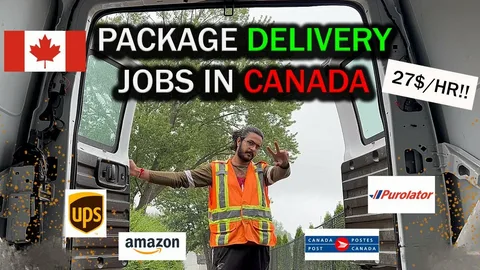
Truck Driver Jobs in Canada
If you’re considering working abroad — or even building a long‑term career — truck driver jobs in Canada are worth paying attention to. They’re among the most in‑demand roles in the country’s labour market right now, with employers actively seeking qualified drivers due to a significant shortage of truckers. Canada’s logistics and transportation sector moves billions worth of goods each year, and without enough drivers, the wheels of the economy literally slow down. (JobFit)
In this guide, you’ll learn:
- What truck driving jobs include
- How much truck drivers make in Canada
- Requirements and licenses needed
- Work permit and immigration options
- Types of routes and jobs available
- Daily life and challenges
- How to get hired even as a foreigner
- Career prospects and growth paths
Let’s hit the road! 🚛
🇨🇦 Why Truck Drivers Are in Demand in Canada
The trucking industry in Canada is absolutely massive.
Here’s the big picture:
- Over 70% of all Canadian freight is transported by truck, making it a backbone industry. (JobFit)
- The average truck driver in Canada is aging — the average age is over 47 — leading to many upcoming retirements. (JobFit)
- Domestic interest in truck driving jobs has been relatively low, and younger workers are not filling the gap quickly. (JobFit)
As a result, the industry faces a severe driver shortage, with tens of thousands of positions needed now and into the future — and that gap is expected to grow. (JobFit)
This shortage isn’t temporary — it’s structural. Meaning even as the economy shifts, truckers will remain essential — and in demand.
📦 What Do Truck Drivers in Canada Do?
Truck driving isn’t just steering a big vehicle — it’s a responsible and skilled job.
Canadian truck driver duties vary depending on the role, but they typically include the following:
🛣️ Long‑Haul Trucking
- Driving over long distances (often across provinces and sometimes into the U.S.)
- Staying on the road for multiple days or weeks
- Following strict logbook and driving hour regulations
- Ensuring cargo is delivered safely and on time
🚚 Short‑Haul & Regional Routes
- Transporting goods within a region or province
- Returning home most nights
- Often lighter loads or more frequent deliveries
🏙️ Local Pick‑Up and Delivery
- Making frequent stops in cities or towns
- Delivering to warehouses, stores, and businesses
- Sometimes handling customer service or unloading
🚛 Specialized Driving
Some drivers handle:
- Tankers (fuel, chemicals)
- Flatbeds (construction equipment)
- Refrigerated loads (food)
- Hazardous materials (requires special endorsements) (JobFit)
Different roles come with different demands and opportunities. Long‑haul drivers might earn more due to mileage and overnight allowances, while local drivers might have more reliable schedules.
💰 How Much Do Truck Drivers Make in Canada (2026)
Let’s talk money — one of the most important considerations for anyone thinking about this career.
📈 Average Pay
According to labour data in Canada, the median wage for truck drivers (NOC 73300 — transport truck drivers) is around CAD $25 per hour. (Job Bank)
Here’s a realistic breakdown:
| Job Type | Typical Hourly Rate | Approx Annual Salary |
|---|---|---|
| Entry‑Level / Local | CAD $20–$25 | ~$40,000–$50,000 |
| Average Driver | CAD $25–$30 | ~$50,000–$65,000 |
| Experienced / Specialized | CAD $30–$40+ | ~$65,000–$90,000+ |
| Owner/Operator | Varies widely | $100,000+ possible |
🧠 Important: Owner/operators (drivers who run their own trucks under contract) often earn significantly more but also bear higher cost responsibilities like maintenance and insurance. (JobFit)
📍 Pay Factors
Your actual income can vary based on:
- Province or region
- Company size
- Type of hauling (general freight vs specialized)
- Experience and endorsements
Note: Some sources report that experienced drivers with mileage bonuses, overtime, and special skills can earn over CAD $90,000 per year. (travel.theradar.ng)
🧰 Requirements: What You Need to Be a Truck Driver in Canada
You don’t need a university degree to become a truck driver — but you do need specific qualifications.
🚗 1. Valid Driver’s Licence
To work as a professional truck driver in Canada, you must have a commercial driver’s licence, which varies by province:
- In most of Canada, this is known as a Class 1 licence.
- In Ontario, it’s called a Class AZ licence (or similar depending on the province).
- You’ll need to pass written and road tests specific to heavy vehicles and may need additional endorsements for things like air brakes. (JobFit)
🎓 2. Education and Training
While secondary school completion is usually expected, many drivers complete accredited truck training programs lasting a few months. These offer classroom and practical experience with heavy vehicles. (Job Bank)
Many vocational schools and community colleges offer this training, and it can include on‑the‑job training with some employers.
🔎 3. Clean Driving Record
Commercial carriers and insurers take road safety seriously. A clean driving record — no major violations — increases your chances of getting hired.
🧠 4. Endorsements & Experience
Certain types of driving (tanker, hazardous materials, flatbed) require extra endorsements. These can boost earning potential and job opportunities. (JobFit)
🌍 Can Foreigners Get Truck Driver Jobs in Canada?
One of the biggest questions many people have is whether someone outside Canada can move and work as a truck driver.
The good news?
👉 Yes — but you need legal work authorization first.
🧑💻 Work Permit or Visa
Canada does not have a specific “truck driver visa” — instead, candidates typically enter through:
- LMIA‑supported work permits (employer demonstrates need)
- Provincial Nominee Programs (PNPs) targeting in‑demand occupations
- Express Entry streams for skilled workers (if you qualify)
- Temporary Foreign Worker Program with employer sponsorship (travel.theradar.ng)
Many trucking companies are familiar with hiring foreign drivers — especially where labour shortages are acute — and assist with the application process.
Once you have a job offer backed by a Labour Market Impact Assessment (LMIA) and a valid work permit, you can legally work as a truck driver in Canada. (JobFit)
🤝 Provincial Nominee Options
Some provinces have immigration streams specifically for in‑demand trades and occupations like truck driving. Securing nomination can accelerate permanent residency pathways.
🚦 Types of Truck Driving Jobs Available
Not every truck driver role is the same. Here are common categories:
🛣️ Long‑Haul or Over‑The‑Road (OTR)
This is classic trucking — driving across provinces and sometimes into the U.S.
Pros: Higher pay and mileage bonuses
Cons: Long hours, away from home days/weeks
🚚 Regional
Shorter distance than OTR, typically within a broader region.
Pros: More home time
Cons: Slightly lower pay than long‑haul
🏙️ Local Delivery
Often multi‑stop routes around cities — warehouses to stores or customer sites.
Pros: Regular schedule, home daily
Cons: More stops and loading/unloading
🔧 Specialized
These include:
- Tanker drivers
- Heavy equipment haulers
- Flatbeds
- Refrigerated freight
- Hazardous materials (HazMat)
Specialized drivers often command higher pay due to extra skills and endorsements required. (JobFit)
🛣️ A Day in the Life of a Canadian Truck Driver
Being a truck driver is not a typical 9‑to‑5 job.
Here’s what your daily life might look like:
🕔 Morning
- Inspect your truck (safety check)
- Plan your route
- Communicate with dispatch
🚚 Mid‑Day
- Drive long distances
- Track mileage and loads
- Stop for breaks and meals
🌆 Evening
- Deliver your loads
- Park safely at rest stops
- Log your hours according to regulations
Truck drivers work a mix of hours — sometimes long days, sometimes night shifts. Logbook rules ensure safety and limit driving hours. (Job Bank)
📊 Job Outlook: Will There Be Work in the Future?
The trucking industry has been labelled at risk for labour shortages in Canada — meaning more job openings than drivers to fill them. (Job Bank)
Prospects vary by region, but many provinces (including Newfoundland and Labrador, Nova Scotia, Saskatchewan) are showing good job prospects, while others are moderate. (Job Bank)
With retirements, increased freight demand, and a shortage of new drivers entering the field, Canada’s road freight sector will continue needing workers into the foreseeable future. (JobFit)
⚠️ Challenges Truck Drivers Face
It’s important to be realistic.
❌ Time Away From Home
Long‑haul routes can keep you on the road for days or weeks.
❌ Physical and Mental Fatigue
Sitting for long hours, weather conditions, and isolation are genuine challenges.
❌ Lifestyle Trade‑offs
Irregular hours, sleep disruption, and limited family time are part of the job.
❌ Competition for Entry
Some jobs prefer drivers with experience — especially specialized roles — though opportunities exist for newcomers with training. (Reddit)
🚀 How to Get Hired as a Truck Driver in Canada
Here’s a step‑by‑step plan:
1. Get Your Licence
Get your Class 1/AZ commercial licence. Completing a certified truck driving program will speed up this process.
2. Build Experience
Start with local or regional routes if you’re new. Once you have experience, long‑haul and specialized roles become more accessible.
3. Tailor Your Resume
Highlight:
- Driving experience
- Clean record
- Endorsements/certifications
4. Apply on Job Boards
Check job portals, trucking company websites, and national job boards.
5. Consider LMIA Employers
Look specifically for employers willing to sponsor foreign drivers through LMIA processes.
📈 Long‑Term Career Growth in Trucking
Truck driving doesn’t have to stay static — you can advance or specialize:
- Trainer or mentor for new drivers
- Dispatcher or logistics coordinator
- Fleet manager
- Owner/operator running your own truck
- Specialized hauling (HazMat, flatbed, tanker)
With experience, endorsements, and networking, you can grow into higher‑paying and more fulfilling roles. (JobFit)
🧠 Final Thoughts: Is Truck Driving Right for You?
Truck driving can be a rewarding, well‑paid career path in Canada, especially if you like:
✔ Driving and independence
✔ Jobs with clear demand
✔ Opportunities without university degrees
But it’s not for everyone — it demands long hours, resilience, and readiness for life on the road.
If you’re realistic about the lifestyle, enjoy logistics, and want a job with strong demand (including pathways for foreign workers), truck driving is absolutely worth exploring.
🚗 Quick Summary
| Topic | Key Point |
|---|---|
| Job Demand | High due to driver shortages |
| Average Pay | ~$50K–$90K+ annually |
| Education | Secondary school + commercial licence |
| Visa | LMIA work permits & provincial streams |
| Daily Life | Long hours, varied routes |
| Career Growth | Dispatcher, manager, owner/operator |
If you’d like, I can also share a step‑by‑step application strategy specifically for foreign applicants seeking LMIA truck driver jobs in Canada — just let me know! 🇨🇦👉