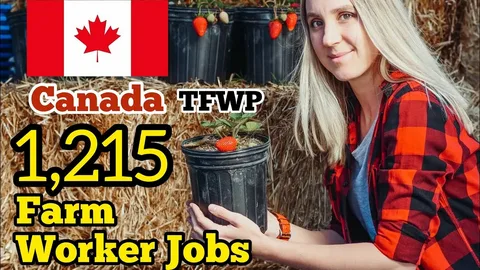
Farm Jobs in Canada
If you’re considering working abroad in a hands‑on, outdoors job that often doesn’t require strict education, farm jobs in Canada should definitely be on your radar.
Whether your goal is:
- Seasonal work to earn and save money,
- A longer‑term employment opportunity,
- A pathway to Canadian work experience,
- Or a step toward permanent residency…
Farm jobs are in demand across the country — especially during planting and harvest seasons. And the agricultural sector is one of the few industries in Canada that has structured programs for foreign workers through legal work visas.
In this guide, we’ll cover:
✔ What farm jobs are really like
✔ Types of farm work available
✔ Real salary and pay expectations
✔ Requirements and skills you need
✔ Work permits and visa options
✔ How to find farm jobs fast
✔ Seasonal vs full‑time opportunities
✔ Career growth and long‑term potential
Let’s dig in. 🚜
🇨🇦 Why Farm Jobs Are Important in Canada
Canada has one of the largest agricultural sectors in the world. Farms produce:
- Grains and oilseeds (wheat, canola)
- Fruits (apples, berries)
- Vegetables
- Dairy products
- Livestock
Companies big and small depend on workers to plant, tend, and harvest crops — and appliances, trucks, and technology alone can’t do that.
📈 Labour Shortages Drive Demand
Farm employers in Canada have long struggled with labour shortages — especially during peak seasons. This is why organized programs like the H‑2A equivalent (the Seasonal Agricultural Worker Program) and other provincial initiatives exist: to bring in workers when Canadian labour is insufficient.
👉 Translation: Farm jobs are almost always open, and many employers are willing to hire international workers with proper permits.
🌾 What Types of Farm Jobs Are Available?
Farm jobs vary widely depending on the season and type of farm. Here are the most common roles:
🧑🌾 1. Crop Farm Worker
Tasks include:
✔ Planting seeds
✔ Watering and weeding fields
✔ Harvesting crops
✔ Operating basic farm tools
Typical crops:
- Wheat and barley
- Potatoes
- Corn
- Vegetables
This is the most accessible entry‑level job on farms.
🍓 2. Fruit Picker / Harvester
Fruit picking is often seasonal and very active.
Typical duties:
✔ Harvest strawberries, blueberries, apples
✔ Sort and pack fruit
✔ Load produce for transport
This work can be physically demanding, but it’s often available in bulk during harvest months.
🐄 3. Dairy Farm Worker
Working on dairy farms involves animal care and milking duties.
Tasks include:
✔ Feeding cows
✔ Milking operations
✔ Cleaning stalls and barns
Dairy jobs may be more stable year‑round compared to seasonal picking.
🐖 4. Livestock Farm Worker
Farms with livestock need hands to care for animals like:
- Chickens
- Cattle
- Sheep
- Pigs
Duties include:
✔ Feeding and watering animals
✔ Cleaning pens and enclosures
✔ Monitoring animal health
🚜 5. Farm Equipment Operator
Some farms use heavy machinery such as:
- Tractors
- Harvesters
- Balers
This role usually pays more because it requires equipment knowledge and training.
🚚 6. Packing & Processing
Once crops are harvested, they must be:
✔ Washed
✔ Graded
✔ Packed for shipment
Packing jobs are usually in a facility rather than out in the field.
💰 Farm Job Salaries in Canada (2026)
Let’s talk money — the part most people want clear, real numbers on.
💵 Average Pay
Farm workers in Canada generally earn between:
➡️ CAD $16 – $24 per hour for most entry‑level field jobs.
This can vary widely depending on:
- Province
- Farm size
- Type of work
- Experience
- Seasonal demand
📊 Typical Hourly & Annual Wage Examples
| Role | Hourly Wage | Approx Annual Equivalent* |
|---|---|---|
| Field Worker / Picker | CAD $16–$20 | CAD $32,000–$40,000 |
| Dairy / Livestock Worker | CAD $18–$22 | CAD $36,000–$44,000 |
| Equipment Operator | CAD $20–$24 | CAD $40,000–$50,000 |
| Packing / Processing | CAD $17–$22 | CAD $34,000–$44,000 |
*Annual values assume full‑time hours.
💡 Seasonal Work Notes
Many farm jobs are seasonal, which means they may last a few months during planting or harvest. Some employers offer:
✔ Temporary housing on site
✔ Group travel support
✔ Overtime opportunities during peak work
✔ Bonuses
Seasonal work doesn’t always translate to full‑year salaries, but you can earn intensive income over a short period.
🎓 Requirements: What You Need to Get a Farm Job
Here’s the good news:
👉 Most farm jobs don’t require a degree. But they do require basic abilities and, if you’re a foreigner, proper work authorization.
👩🌾 1. Basic Requirements
Most farms ask for:
✔ Physical ability to work long hours
✔ Good health and stamina
✔ Ability to follow direction
✔ Teamwork and reliability
No specific academic degree is required for most entry‑level farm work.
🚜 2. Skills That Help
Although not mandatory, the following skills make you more employable:
✔ Experience with manual work
✔ Familiarity with tools and equipment
✔ Ability to lift and handle tasks outdoors
✔ Good communication
👨💻 3. Language Skills
Good conversational English (or French in Quebec) helps — especially for communication on large farms.
🌍 Can Foreigners Work Farm Jobs in Canada?
This is one of the most important parts — and the answer is:
👉 Yes, but you must have the right work authorization before you start.
In Canada, legally working means having a valid work permit.
🧑🌾 Work Permit & Visa Options for Farm Jobs
There isn’t a separate “farm worker visa,” but there are programs that farm employers use to hire foreign workers when there is a shortage of local labour.
🌱 1. Temporary Foreign Worker Program (TFWP) — Agriculture Streams
Under this program, employers apply for a Labour Market Impact Assessment (LMIA) — a document that shows they couldn’t find a Canadian worker for the job.
Once an LMIA is approved, the worker can apply for a work permit tied to that job.
This is the most common route for foreign farm workers.
🚜 2. Seasonal Agricultural Worker Program (SAWP)
Canada’s Seasonal Agricultural Worker Program (SAWP) allows workers from specific countries to work on farms during peak seasons.
This program has structured agreements with several countries and helps match workers directly with employers.
📍 Provincial Options & Rural Pathways
Some provinces have Provincial Nominee Programs (PNPs) that prioritize workers in jobs where there are labour shortages — including agriculture and farm work.
🧑🎓 3. Study + Work (Students)
International students in Canada with valid study permits can often work part‑time in farm jobs — especially seasonal roles — while studying, and full‑time during study breaks.
This can be a stepping stone to longer work experience.
🧠 Benefits of Farm Work for Foreign Workers
Many people underestimate the advantages of farm jobs — especially if you come from another country.
🌍 1. Entry Without a Degree
Most roles don’t require formal education. They value willingness, physical stamina, and work ethic.
💼 2. Work Experience in Canada
Canadian work experience is valuable on immigration applications and future job prospects.
🏠 3. Seasonal Housing
Some farms provide on‑site housing or accommodation for workers — especially for seasonal laborers.
⏱️ 4. Intense Earning Periods
A few months of hard work during harvest can produce significant savings — especially if food and housing costs are included.
📍 Where Farm Jobs Are Most Common in Canada
Farm work exists nationwide, but certain regions have heavier demand:
🍁 1. British Columbia (BC)
Areas known for fruit picking (berries, apples), greenhouse work, and vegetables.
🌾 2. Ontario
One of Canada’s biggest agricultural provinces — farms produce everything from produce to livestock.
🍎 3. Quebec
Large fruit farms and vegetable production — especially around Montreal and Quebec City.
🌽 4. Alberta & Manitoba
Prairie provinces with grain, oilseed, and livestock farms.
🍇 5. Nova Scotia & New Brunswick
Fruit orchards and berry farms with seasonal demand.
🧠 A Day in the Life of a Farm Worker
Farm work varies with the season, but here’s a typical day during harvest:
🕐 Morning
- Meet with team
- Assignment of tasks
- Head out to fields with tools and gloves
🌤️ Mid‑Day
- Harvesting crops
- Sorting and packing produce
- Communicating with supervisors
🍽️ Afternoon
- Load harvest into transport
- Wash and prepare produce
- Equipment cleanup
🍂 End of Day
- Return tools
- Check inventory for next day
- Rest and prepare for early start tomorrow
🧠 Pros & Cons of Farm Jobs in Canada
Like any work, farm jobs have advantages and challenges.
👍 Pros
✔ Easier entry — no degree required
✔ Seasonal or year‑round opportunities
✔ Canadian work experience
✔ Potential housing support
✔ Friendly community environment
👎 Cons
❌ Physically demanding work
❌ Long hours during peak seasons
❌ Pay varies by season and job type
❌ Some jobs are temporary/seasonal
🧠 How to Get Hired in Farm Jobs — Step by Step
Here’s a practical roadmap to help you get started.
🔹 Step 1: Decide What Type of Farm Work You Want
Pick roles that match your stamina, interests, and schedule.
🔹 Step 2: Get Work Authorization
You must have a valid work permit, study permit with work rights, or permanent residency.
🔹 Step 3: Prepare Your Resume
Highlight:
✔ Physical stamina
✔ Willingness to work outdoors
✔ Teamwork
✔ Any farming or manual work experience
🔹 Step 4: Apply Online or Through Recruiters
Useful platforms include:
- Government job portals
- Farm group websites
- Recruitment agencies that specialize in agricultural jobs
🔹 Step 5: Attend Interviews
Be ready to explain:
✔ Your flexibility
✔ Your physical stamina
✔ Your reliability and availability
🔹 Step 6: Ask About Housing Options
Many farms provide lodging — especially for seasonal workers.
🧠 Success Tips That Most Guides Don’t Mention
🚜 1. Learn Basic Agricultural Terms
Knowing simple terms like harvest, cultivation, greenhouse, and packing helps you stand out.
🤝 2. Be Reliable
Farm jobs value people who show up on time, work hard, and follow instructions.
⚖️ 3. Know Your Rights
Farm workers in Canada have legal protections — understanding basic labour rights helps you avoid exploitation.
📈 Career Growth: Can You Advance?
Absolutely — farm work doesn’t have to be just a short job.
Here’s how you can move forward:
📍 Senior Farm Worker
With experience, you can lead teams or coordinate tasks.
🚜 Equipment Specialist
Learn how to handle tractors, loaders, and irrigation tools — this moves you into better‑paying positions.
🧑🏫 Trainer or Supervisor
Experienced farm workers can train new hires and oversee teams.
🌱 Farm Management Roles
With experience and additional training, you can move into:
✔ Farm operations
✔ Crew coordination
✔ Farm office roles
⚠️ Challenges You Should Know
Being honest helps you prepare:
❌ Seasonal Fluctuations
Some farm jobs aren’t year‑round — you may need to move with the seasons.
❌ Physically Strenuous
Expect to be on your feet, lifting, bending, and walking long distances.
❌ Weather Exposure
You’ll work in sun, rain, wind, and possibly cold conditions depending on the season and region.
But if you prepare mentally and physically, many workers find farm jobs rewarding, stable, and a strong starting point for further opportunities in Canada.
🧠 Final Thoughts: Is Farm Work Worth It in Canada?
Farm jobs in Canada are a practical, accessible, in‑demand way to work abroad — especially if you’re looking for:
✔ A straightforward job to start quickly
✔ Canadian work experience
✔ Opportunities for visa pathways
✔ Seasonal and flexible employment
They’re not glamorous — but they can be purposeful, financially sensible, and actually enjoyable if you like active work and teamwork under open skies.
🚀 Quick Summary
| Topic | Key Insight |
|---|---|
| Main Farm Roles | Crop work, fruit picking, livestock, dairy, equipment |
| Typical Pay | CAD $16–$24 per hour |
| Training Needed | Minimal, mostly on‑site |
| Visa | Work permit required (e.g., LMIA or SAWP) |
| Best Provinces | BC, Ontario, Quebec, Alberta, Manitoba |
| Hiring Tip | Apply early, ask about housing |
If you want, I can also provide:
✔ Sample farm job resume tailored for Canadian employers
✔ List of real farm job vacancies currently hiring
✔ Step‑by‑step work permit application guide for farm jobs
Just tell me what you want next!