Security Guard Jobs in Italy
Are you considering working in Italy as a security professional? Whether you’re looking for a steady job with minimal education requirements, a way to enter the European job market, or just curious about how security guard work functions in Italy, this guide breaks it all down in clear, realistic terms.
Security guard jobs in Italy (often referred to as “guardie giurate” or security guards) are part of a long‑established industry that operates across shopping centers, corporate sites, airports, events, cultural heritage areas, transportation hubs and more. (Tritidal)
But before we go deeper — know this:
👉 Security work in Italy is a real job with real challenges, responsibilities, licensing requirements, and salaries that vary widely depending on training, experience, and job assignment. (Randstad)
Let’s start from the beginning.
📌 What Does a Security Guard Do in Italy?
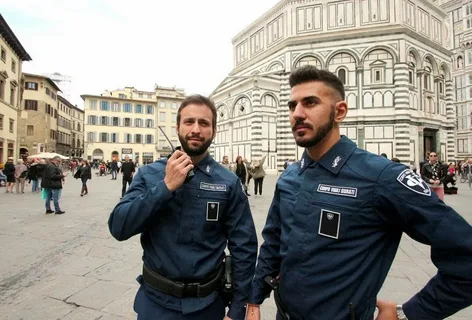
In Italy, a security guard — especially a Guardia Particolare Giurata (GPG) — is a professional responsible for protecting people, property, and premises from danger, theft, vandalism, and other risks. (Randstad)
These are some of the typical duties:
👉 Monitor entrances and exits
👉 Check IDs and control access to buildings
👉 Protect clients, customers, and staff
👉 Observe and report incidents
👉 Patrol assigned areas
👉 Maintain order and enforce rules
👉 Watch surveillance cameras and alarms
👉 Collaborate with authorities if needed (Randstad)
Some Italian security guards are armed — which comes with additional responsibilities and legal requirements — while others perform unarmed duties focused on customer safety and surveillance. (JobLeads)
💶 How Much Do Security Guards Earn in Italy?
One of the most important questions job seekers ask is about salary.
The reality is that pay can be modest — especially compared with other European countries — but varies depending on role, employer, location, experience, and license level.
Here’s a realistic breakdown based on multiple sources and job postings:
📅 Typical Salary Ranges
| Role / Experience Level | Salary Per Year (Approx) | Salary Per Month (Approx) |
|---|---|---|
| Entry‑level Guard | €13,000 – €18,000 | €1,100 – €1,500 |
| Average Security Guard | €18,000 – €28,000 | €1,400 – €2,300 |
| More Experienced / Specialized Guard | €20,000 – €28,000+ | €1,600 – €2,400 |
| Specialized or Supervisory Roles | €25,000 – €35,000+ | €2,000 – €2,900+ |
So a typical guard earns roughly €1,100–€2,200 per month, depending on seniority, location, and duties. (Movimento FIRE)
Some job ads show offers up to ~€1,700/month, especially for full‑time or shift roles in cities like Milan or Trieste. (Applavoro)
Averages can range slightly higher if you include higher‑risk roles, private bodyguard contracts, or supervisory positions. (Ksacareer.com)
⚠️ Important: Some anecdotal sources report well above average figures for very specialized roles or museum oversight (e.g., multiple thousands per month), but these are exceptions and less common in Italy. (Reddit)
📍 Regional Wage Differences
Security pay can vary based on region:
🟢 Northern Italy (Milan, Turin, Bologna) – tends to pay better than average
🟡 Central Italy (Rome, Florence) – medium range
🔵 Southern Italy (Naples, Palermo, Bari) – often lower pay
This regional variance reflects cost of living and employer budgets, especially in large portfolios like corporate sites or airports.
🎓 Requirements to Become a Security Guard in Italy
To work legally as a security guard (guardia giurata) in Italy, especially if you want to be armed or perform specialized duties, you need specific qualifications and legal authorization:
✔️ Legal Requirements
- Must be at least 18 years old
- Clean criminal record (no serious convictions)
- Basic literacy (reading and writing)
- Physically and mentally fit
- Italian or EU citizenship for some licenses (non‑EU nationals typically face stricter requirements) (Accademia del Lavoro)
✔️ Licensing
To work as a Guardia Particolare Giurata, you must obtain a security license and legal authorization, which involves:
- Medical and psychological fitness certificate
- Personal identification documents
- Passing a training course
- Application through local Prefecture for licensing (Accademia del Lavoro)
If you plan to be armed, additional firearm authorization is required. This involves psychological checks, lawful reasons, and specific legal compliance. (Accademia del Lavoro)
🧠 Skills and Traits Employers Want
Even for basic roles, security firms look for:
✔ Strong observation and attention to detail
✔ Good communication skills
✔ Reliability and punctuality
✔ Ability to handle stress or emergency situations
✔ High levels of responsibility and integrity (it.whatjobs.com)
Additional certifications — like first aid, fire safety, or specialized crowd control training — improve your chances and help negotiate a better wage.
🪪 Types of Security Guard Jobs in Italy
Security work in Italy is not one single job. Here are the common categories:
🟠 1. Static Security Guard
Often stationed at:
- Offices
- Factories
- Shopping centers
- Residential buildings
They control access, monitor CCTV, and patrol sites.
🔴 2. Guardia Particolare Giurata (GPG)
This is a licensed private security officer in Italy — a more formal and often armed role requiring specific authorization. (Accademia del Lavoro)
These guards often work for security companies or directly with organizations requiring formal protection.
🔵 3. Armed Security Guard
Armed guards are GPG workers who carry weapons as part of their duties — usually in higher‑risk environments (cash transport, high‑security sites). (JobLeads)
🟣 4. Event Security Guard
These guards work at:
- Concerts
- Plays
- Sports matches
They manage crowds, enforce safety rules, and help with incident response.
🟡 5. Corporate or VIP Security
Higher‑specialized roles focusing on:
- Personal protection
- High‑value asset security
- Sensitive facility protection
These roles typically require stronger experience and sometimes military or police backgrounds.
📈 Career Path & Growth Opportunities
Security work in Italy can be a base job, or a long‑term career with growth.
🪜 Typical Career Ladder
- Entry‑Level Security Guard – basic site patrols
- Shift Supervisor / Team Leader – senior responsibility
- Site Security Manager – manages teams and operations
- Corporate Security Specialist – larger portfolios or VIP security
- Security Consultant / Trainer – training and oversight
With training and experience, guards can move into management, training, or specialized protective roles.
Employers in the sector include many private firms actively hiring, and job boards like LinkedIn show hundreds of open positions, including guardie giurate armate in multiple cities across Italy. (LinkedIn)
🌍 Can Foreigners Work as Security Guards in Italy?
This is one of the most crucial questions for non‑EU job seekers.
✔ European Union Citizens
EU nationals have easier access to security jobs because they can live and work anywhere in the EU and are eligible for local licensing. (Accademia del Lavoro)
✔ Non‑EU Citizens
For non‑EU applicants:
- Many security guard roles officially require Italian or EU citizenship or authorization under the national security laws (especially for armed roles). (Accademia del Lavoro)
- Visa sponsorship for security guards from outside the EU is uncommon because most jobs require local residency and legal status before hiring.
- Paths like work visas under Decreto Flussi may allow certain categories to come in with employer sponsorship, but these are limited and competitive. (Ejobzhunt)
This means the simplest path for foreigners is to:
- Get legal residency or a work permit first.
- Then pursue security training and licensing in Italy.
- Then apply for licensed security guard roles.
In other words, having a valid Italian work visa or CE residency card greatly improves your chances.
🧑🎓 Training & Certification
Even if some jobs don’t require initial training, many employers will prefer or require:
✔ Security training certificates
✔ First aid / emergency response courses
✔ Fire safety and evacuation training
✔ Surveillance and incident reporting skills (it.whatjobs.com)
Some security companies also provide in‑house training — including classes and practice drills — before you start a contract.
📋 Typical Application Process
While applications vary by company, the general steps are:
- Prepare CV & Cover Letter
Emphasize responsibility, reliability, and any prior security experience. - Apply via Job Boards or Company Portals
LinkedIn, Indeed Italy, Glassdoor listings, or directly on security firm websites. - Interview & Background Check
Expect checks on your history, fitness, and professionalism. - Training & Licensing
If not already certified, employers may help with on‑site orientation. - Employment Contract
You’ll sign a contract (often under collective labor agreements) and begin shift work. (Applavoro)
🛡️ What the Job Is Really Like
Security work is often shift‑based due to 24/7 operations in many environments. Guards may work day, evening, or night shifts — including weekends and holidays. (Randstad)
The job can involve:
✔ Long hours of standing
✔ Routine patrols
✔ CCTV monitoring
✔ Customer interaction
✔ Incident reporting
✔ Emergency response
Experienced guards often emphasize that while the work is steady, pay tends to be modest initially, and long hours or odd shifts are common. (Reddit)
⚠️ Challenges to Know Before You Apply
Being realistic helps you make an informed choice.
🧠 1. Entry Pay Is Often Low
Many roles start around €1,100–€1,500 per month with basic responsibilities. (Movimento FIRE)
⏳ 2. Shift Work & Unusual Schedules
Night shifts can be frequent and require flexibility.
🏙️ 3. Limited Visa Sponsorship
Non‑EU applicants face stronger hurdles because most security roles require local legal status first. (Ejobzhunt)
👮 4. Responsibility & Pressure
Guards are expected to stay alert and make quick decisions, sometimes dealing with difficult individuals or emergencies.
📈 Why Security Guard Jobs Are Still Worth It
Despite challenges, security work in Italy offers:
✔ Entry‑level availability (no degree needed)
✔ Steady job market across cities
✔ Pathways to supervisory and specialist roles
✔ Practical work experience in Europe
✔ Opportunities in diverse sectors (retail, events, corporate, transport hubs) (Tritidal)
For many people, it’s a real starting point into Italian employment.
🧠 Final Thoughts: Is This Job Right for You?
Security guard jobs in Italy are a realistic and accessible employment option — especially if:
- You’re disciplined and responsible
- Prepared for shift work
- Interested in public safety and surveillance
- Already in Italy with legal work status
While the pay isn’t among the highest in Europe, there are ways to grow — moving from basic patrol roles to supervisory positions, or transitioning into related fields like corporate security management.
🚀 Quick Summary
| Topic | Key Takeaways |
|---|---|
| Average Salary | ~€18,000–€28,000/year (~€1,100–€2,300/month) (Movimento FIRE) |
| Job Types | Static guards, Guardia Particolare Giurata, armed security, event security (Tritidal) |
| Entry Requirements | Minimum age, clean record, licensing for GPG (Accademia del Lavoro) |
| Foreign Workers | Best with legal work permit – citizenship or visa; sponsorship uncommon (Ejobzhunt) |
| Career Growth | Supervisor → Specialist → Security management (it.whatjobs.com) |
If you’d like, I can also give you:
✔ A step‑by‑step plan to become a licensed security guard in Italy,
✔ A list of security companies currently hiring across Italy,
✔ Tips for foreign applicants on visas that support security jobs — just tell me what you want next! 🇮🇹👮♂️💼