Delivery Boy Jobs in Italy
Italy is one of Europe’s most beautiful countries — historic cities, great food, coastal views, and a high quality of life. But if you’re thinking “How can I work there?” or “What jobs are available without a degree?”, one of the most accessible roles is delivery work — often called “fattorino” or delivery driver/runner in Italian job listings.
Delivery jobs in Italy include:
- Food delivery
- Package delivery
- Grocery delivery
- Courier services
- Same‑day document or goods delivery
You don’t always need a degree, many roles are available for people just starting out, and you can work full‑time, part‑time, or even as a gig worker. But — and this is important — if you’re a non‑EU citizen, you must have valid work authorization before you can legally work here.
This guide breaks it all down: what delivery jobs are like, how much you can earn, what’s required, how foreigners fit in, and how to get hired realistically.
📦 What Do Delivery Boy Jobs in Italy Actually Involve?
Delivery jobs are practical, on‑your‑feet, fast‑paced roles that revolve around picking up items and delivering them to customers — whether that’s food, parcels, groceries, letters, or even larger items (depending on the company and vehicle).
Here are the common types:
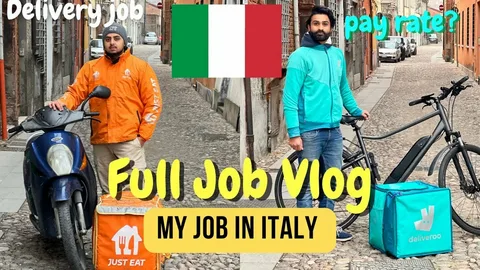
🍕 1. Food Delivery Rider (Bike, Scooter, Motorcycle)
You pick up food from restaurants and deliver to customers.
Common platforms:
- Deliveroo
- Just Eat
- Glovo
- Uber Eats (in some cities)
Vehicles used:
- Bicycle (common in city centers)
- Scooter / Piaggio
- Motorcycle
Typical tasks:
- Accept orders via app or dispatcher
- Navigate city streets
- Deliver safely and quickly
- Handle minor customer interactions
📦 2. Package Delivery Driver / Rider
This includes delivering parcels or online orders.
Companies may be:
- Local courier firms
- International logistics companies
- Postal services (e.g., Poste Italiane)
Vehicles used:
- Van
- Motorcycle
- Bicycle (micro‑deliveries)
Tasks include:
- Sorting parcels
- Loading/unloading
- Route planning (sometimes with GPS)
- Proof of delivery signatures
🛒 3. Grocery Delivery Worker
Delivered goods usually come from:
- Supermarkets (Conad, Esselunga)
- Online grocery apps
- Local stores
Typical duties:
- Collecting grocery items
- Packing and checking orders
- Delivering to homes
📑 4. Courier / Document Delivery
Smaller and time‑sensitive deliveries such as:
- Legal documents
- Office envelopes
- Small packages for businesses
This work often requires reliability and punctuality.
💰 How Much Do Delivery Jobs Pay in Italy (2026)?
Salaries vary widely based on role, region, employer, full‑time vs gig work, and vehicle type.
Let’s break it down:
📊 A. Gig / App‑Based Delivery (Food & Small Parcels)
These are typically independent contractor jobs, paid per delivery:
💶 Typical Pay per Delivery:
- €3.50 – €7 per order (food)
- €5 – €10 per parcel (small courier)
💶 Average Hourly Equivalent:
- €7 – €12+ per hour
- Depending on tips and busy hours
💡 Advantages:
- Flexible hours
- Work evenings/weekends for higher demand
- Immediate start once onboarded
💡 Disadvantages:
- No job stability or benefits
- You pay your own vehicle costs
- Pay varies by city and demand
Most gig riders aim for morning lunch rush (11:30–14:30) and evening dinner rush (18:00–22:00) to maximize deliveries and earnings.
📊 B. Salaried or Contractor Delivery Jobs
These roles are employed positions, not gig work:
💶 Typical Salaries (Annual):
| Role | Typical Salary |
|---|---|
| Junior Delivery Driver/Rider | €18,000 – €24,000 |
| Delivery Driver (full‑time) | €22,000 – €30,000 |
| Courier with van | €25,000 – €35,000 |
| Senior/Experienced driver | €30,000 – €40,000+ |
💶 Hourly Equivalent:
- €10 – €18 per hour for full‑time roles
Larger companies, logistics firms, and delivery services often employ drivers under contracts with benefits (paid leave, insurance, pension contributions), which gig work doesn’t provide.
📍 Regional Differences in Pay
Italy’s pay ranges often mirror the cost of living:
🟢 Northern Italy (Milan, Turin, Bologna):
- Generally higher pay
- More delivery volume
🟡 Central Italy (Rome, Florence, Pisa):
- Mid‑level pay
- Strong food delivery apps
🔵 Southern Italy (Naples, Bari, Palermo):
- Lower average wages compared to the north
- Still good entry‑level opportunities
🎓 What Requirements Are There?
📌 1. Valid Driver’s License (for motorized delivery)
Most delivery jobs require a valid license for the vehicle used:
- Bicycle: No license required
- Moped/Scooter: AM or A1 (depending on engine size)
- Motorcycle: A2 or A (for larger motorcycles)
- Van/Truck: B license (car) or C1/C license (for bigger vehicles)
Legal driving status is essential — you cannot work without the proper license.
📌 2. Work Authorization
💡 For EU/EEA Citizens:
You can live and work in Italy freely — no work permit needed.
💡 For Non‑EU Citizens:
You must have a valid Italian work permit, such as:
- Employer‑sponsored work visa (rare for delivery jobs)
- Open or student work permit
- EU Blue Card
- Long‑term residency permit
Without legal work authorization, you cannot be legally employed or work as a contractor in Italy.
(We’ll cover visas in more detail below.)
📌 3. Smartphone & Navigation Skills
Jobs usually require:
✔ A smartphone
✔ Navigation apps (Google Maps, Waze)
✔ Delivery app knowledge (for gig work)
📌 4. Language Skills
Knowing Italian is a big advantage — especially for:
- Employer communication
- Understanding addresses
- Police checks if needed
Touristy cities might allow English‑friendly roles at times, but Italian skills help you work more and earn more.
🚗 How to Get Hired in Delivery Jobs (Step‑By‑Step)
Here’s a stepwise guide to actually landing a delivery job in Italy.
🔹 1. Decide Your Path
There are essentially two main routes:
A) Gig / App‑Based Delivery
- Join apps like Deliveroo, Glovo, Just Eat
- Often quick onboarding
- Independent contractor
B) Salaried / Contract Delivery
- Apply to companies directly
- Payroll status with benefits
🔹 2. Prepare Your CV (For Salaried Roles)
List:
✔ Driving license & vehicle type
✔ Delivery or logistics experience
✔ Language skills (Italian/English)
✔ Any certifications (first aid, safety)
✔ Availability (days, evenings, weekends)
Even simple, clear CVs matter for employer applications.
🔹 3. Apply Online
Useful job portals include:
- LinkedIn Italia
- Indeed Italia
- Glassdoor Italia
- InfoJobs
- Company websites (postes, local couriers)
Search for keywords like:
- Corriere / Fattorino / Rider / Delivery driver Italia
Tips:
✔ Apply early in the morning
✔ Apply daily — jobs fill quickly
✔ Include references if available
🔹 4. Sign Up With Delivery Apps (Gig Work)
Steps usually include:
- Download the app (Deliveroo, Just Eat, Glovo, Uber Eats if active)
- Upload ID and license (if needed)
- Provide bank details
- Accept terms and start delivering
No CV required — but you must be legally allowed to work.
🔹 5. Prepare for Interview (Salaried Jobs)
You may be asked:
✔ About past delivery or driving experience
✔ How well you know the city
✔ Your availability
✔ How you handle difficult customers
Be honest, punctual, and friendly — reliability matters a lot in delivery roles.
🌍 Can Foreigners Work Delivery Jobs in Italy?
This part is super important if you’re not an EU citizen.
📌 EU/EEA Citizens
✔ You can work freely
✔ No visa needed
✔ Can get a job or join delivery apps easily
📌 Non‑EU Citizens
You must have legal work authorization — either:
- A work permit
- A study permit that allows part‑time work
- A residency card with work rights
- Employer‑sponsored employment visa
Delivery jobs do not usually offer visa sponsorship — it’s rare for companies to sponsor delivery drivers. This means most non‑EU applicants must already be authorized to work in Italy before applying.
Valid paths include:
✔ Student visa with work permissions
✔ Skilled worker permits (rare for delivery jobs)
✔ Family reunification work permits
✔ Long‑term residency permits
Without legal status, you can’t work — even gig jobs require proof of work authorization.
📌 Visa & Work Permit Options (For Non‑EU Workers)
Here’s how non‑EU nationals can legally work delivery jobs:
🟡 1. Student Visa With Work Rights
Many international students in Italy are allowed part‑time work while studying (e.g., up to 20 hours/week), and full‑time during official breaks.
Delivery jobs are common part‑time work for students.
Check your study permit to confirm eligibility.
🟢 2. Work Visa via Employer
Full‑time delivery jobs with companies sometimes require:
✔ Job offer from employer
✔ Nulla osta (work authorization approval)
✔ Visa application at Italian consulate
✔ Conversion to full employee status
This route is less common for entry delivery jobs but possible with companies that need drivers long‑term.
🔵 3. Family or Long‑Term Residency Permits
Some people have work rights because they:
✔ Have family in Italy
✔ Have long‑term EU residency
✔ Hold a residence permit with open work authorization
With these, you can apply for delivery jobs openly.
📈 Working Conditions & Typical Hours
Delivery jobs vary — here’s what to expect:
🕐 1. Shift Work
Many jobs involve:
- Morning shifts
- Lunch rush
- Evening/dinner windows
- Weekend boosts
Food delivery in particular peaks around mealtimes.
🚴 2. Physical Activity
Expect:
✔ Lots of walking
✔ Riding bikes/scooters
✔ Carrying bags and packages
It’s physical work, especially on hot or cold days.
🚦 3. Independent Schedules (Gig Work)
App‑based riders often choose:
✔ 1–5 hours per day
✔ 5–7 days per week
✔ Higher pay slots (rush hours)
Flexible hours can be a big plus.
📍 Pros & Cons of Delivery Jobs in Italy
Here’s a realistic look — no sugar‑coating.
👍 Pros
✔ Accessible entry — no degree needed
✔ Flexible hours (especially gig apps)
✔ Quick start — often fast onboarding
✔ Good choice for students or part‑time work
✔ Practice Italian while working
👎 Cons
❌ Pay can be modest, especially early on
❌ No job security or benefits in many app roles
❌ Vehicle costs (fuel, maintenance) not covered
❌ Not ideal for non‑EU citizens without work authorization
❌ Weather challenges (rain, snow, heat)
📈 Tips to Maximize Earnings
If you want to earn more and not just work:
💡 1. Work Peak Hours
Lunch and dinner rush in cities means more deliveries and higher pay.
💡 2. Know the City
Fast navigation = more deliveries per hour.
💡 3. Provide Great Customer Service
Apps sometimes have ratings — higher ratings can lead to better order priority.
💡 4. Get Familiar With All Platforms
Deliveroo, Glovo, Just Eat, Uber Eats (if active) — sign up on multiple (where legal) to avoid downtime.
💡 5. Track Costs
If you’re gig work:
✔ Fuel
✔ Repairs
✔ Phone data
✔ Helmet / safety gear
Understanding expenses helps you calculate actual profit.
🧠 Career Growth in Delivery Work
You might think delivery jobs are only short‑term — but many people grow into:
📦 1. Lead Driver / Trainer
Training new riders or drivers.
📋 2. Dispatcher / Logistics Coordinator
Planning delivery routes, organizing teams.
🔧 3. Warehouse / Fulfillment Roles
Some delivery riders move into operating inside fulfillment centers or logistics hubs.
💼 4. Fleet Management / Operations
With experience, you can work in coordination and operations for delivery platforms or logistics companies.
🌍 Final Thoughts: Is Delivery Work in Italy Worth It?
Delivery jobs in Italy are one of the most accessible employment options, especially if you’re:
✔ Looking for flexible or part‑time work
✔ A student
✔ In Italy with valid work authorization
✔ Comfortable on a bike or scooter
They offer immediate income and practical experience — but they are not typically “high paying” in the long term unless you build into larger logistics or management roles.
For many people, delivery is:
- A stepping stone into the job market
- A flexible income source
- A way to practice language and local life
Just remember: legal work status is essential if you’re not an EU citizen — without it, you cannot work legally in Italy.
🚀 Quick Summary
| Topic | Key Insight |
|---|---|
| Job Types | Food, parcels, grocery, courier |
| Pay (Gig) | ~€7–€12/hour equivalent |
| Pay (Employed) | €18,000–€35,000/year |
| Requirements | License for motor vehicles, language helps |
| Foreigners | Must have valid work authorization |
| Best Cities | Milan, Rome, Turin, Bologna |
If you want, I can also provide:
✔ A list of current delivery job openings in Italy
✔ A step‑by‑step work permit guide for non‑EU workers
✔ A sample CV tailored for delivery jobs in Italy
Just tell me what you want next! 🇮🇹📦🚴♂️