Farm Jobs in Italy
If you’re thinking about working abroad but don’t want to spend years in school first… farm work in Italy is one of the most accessible paths. Whether you’re looking for seasonal work to earn money and travel Europe, a stepping‑stone job while studying, or a longer‑term way to work toward residency, Italian agriculture offers real opportunities.
Here’s the honest truth:
👉 Farm jobs in Italy exist and hire both locals and foreigners — but you need the right work authorization, a clear understanding of how hiring works, and realistic expectations about pay and lifestyle before you begin.
This guide walks you through everything you actually need to know — no guesswork, no wishful thinking.
🧑🌾 Why Farm Jobs in Italy Are Worth Considering
Italy is one of Europe’s biggest agricultural producers. The country is famous for:
🍅 Fresh produce (tomatoes, peppers, artichokes)
🍇 Wine grapes and vineyards
🍊 Citrus fruits (especially in the south)
🌾 Cereals & grains
🐄 Dairy and livestock farming
🍓 Berries and orchard crops
Even with modern machinery, farming still requires people — especially during planting and harvest season.
This means:
✔ Relatively stable demand for workers
✔ Work available in many regions
✔ Seasonal jobs with housing possibilities
✔ A way to gain European work experience
But let’s be real — this is hard physical work. Workouts in the field don’t count!
🍎 What Kind of Farm Jobs Are Available?
Italian farm jobs are divided between seasonal and year‑round work. Here’s how they break down:
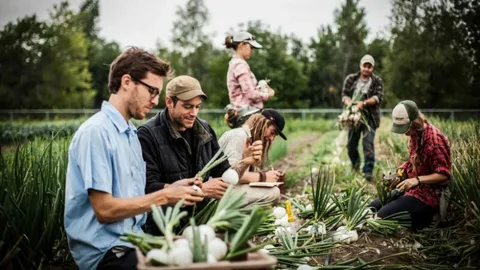
🌾 1. Field Worker / Crop Labourer
If you’ve ever seen workers in fields picking produce or planting seeds, that’s this role.
Typical tasks:
✔ Planting crops
✔ Weeding and watering
✔ Harvesting (e.g., grapes, tomatoes, apples)
✔ Sorting and packing in the field
This is the most common entry job — and often available in high numbers during harvest season.
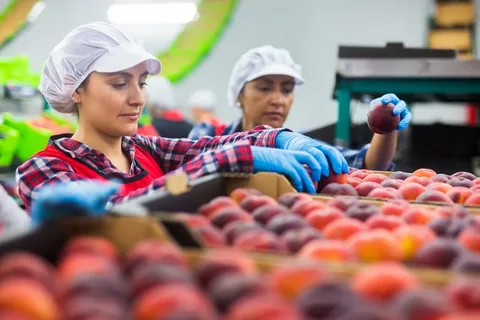
🍓 2. Fruit Picker / Harvest Worker
Often seasonal in spring through fall.
Tasks include:
✔ Picking fruits
✔ Packing into crates
✔ Loading for transport
This work pays most when speed and accuracy are high, and it’s very seasonal.
🐄 3. Livestock & Animal Care
This is farm work that involves animals.
Typical duties:
✔ Feeding animals
✔ Cleaning stalls
✔ Milk production assistance
✔ Monitoring health
This is less seasonally dependent — many farms need help year‑round.
🐖 4. Dairy Farm Operations
Dairy farms require:
✔ Feeding cattle
✔ Milking routines
✔ Monitoring animal health
✔ Cleaning and setup
Dairy work is stable and often year‑round.
🚜 5. Equipment Operator or Tractor Driver
If you have experience operating heavy machinery (like tractors), this job pays better than field labour.
Tasks:
✔ Operating farm equipment
✔ Tilling land
✔ Harvest mechanization
✔ Irrigation management
📦 6. Packing & Processing Worker
Once produce is harvested, it needs processing:
✔ Sorting and grading
✔ Washing and packaging
✔ Loading into distribution vehicles
These roles may involve light machinery and are often indoor or barn‑based.
🌱 7. Greenhouse Worker
Greenhouse farms are common in northern and central Italy (fruits, herbs, flowers).
Tasks:
✔ Climate control
✔ Plant maintenance
✔ Harvesting greenhouse crops
💰 How Much Do Farm Jobs in Italy Pay?
Let’s discuss real salary expectations — and then be honest about how work schedules and pay interplay.
🇮🇹 Typical Wage Levels (2026)
Farm wages in Italy are generally modest — but vary by role and region:
| Role | Hourly Rate (Approx) | Annual Equivalent* |
|---|---|---|
| Field Worker / Picker | €8 – €12 | €16,000 – €22,000+ |
| Livestock Worker | €9 – €13 | €17,000 – €23,000+ |
| Equipment Operator | €11 – €15 | €20,000 – €28,000+ |
| Packing / Processing | €9 – €13 | €17,000 – €23,000+ |
| Skilled Tractor / Machine | €13 – €18 | €25,000 – €32,000+ |
*Annual figures assume full‑time work (~40 hrs/week) — but remember farming is often seasonal, so actual yearly earnings can depend on season length and overtime.
📍 Regional Differences
Northern and central Italy (especially Emilia‑Romagna, Tuscany, Lombardy) tend to pay more than rural southern regions.
Field workers in northern Italy often earn more compared with equivalent jobs in the south — partly due to higher productivity and stronger agricultural markets.
🧠 Seasonal Work Notes
Many farm jobs are temporary/seasonal, meaning you might work intensely for a few months (e.g., grape harvest), then transition to another job or return home.
Seasonal harvest work often pays extra during peak demand — if you work long hours and weekends.
🎓 Who Can Apply? Requirements for Farm Jobs in Italy
Here’s the honest breakdown:
✔ EU/EEA Citizens
If you’re a citizen of the EU or European Economic Area:
✔ You can live and work anywhere in Italy without a visa
✔ You can apply for farm jobs directly
✔ You need a registered residence address if you stay long‑term
This group has the easiest path into farm work.
✔ Non‑EU Citizens
Non‑EU citizens must have legal work authorization — meaning one of the following:
📌 Work Visa (linked to a specific job)
📌 Study Visa + Part‑Time Work Authorization
📌 Family Reunification Visa
📌 Long‑Term Residency Permit (permesso di soggiorno)
Direct walk‑in job offers from abroad without a work permit are not legally valid — so non‑EU citizens need authorization before working.
✔ Student Work
Many international students in Italy are allowed to work part‑time (up to 20 hours/week) while studying — and farm jobs are a good fit, especially if you’re studying agriculture, tourism, or language.
✔ Language and Skills
Italian language skills aren’t strictly required for every farm job, but they help enormously — especially for:
✔ Understanding instructions
✔ Safety communication
✔ Interaction with supervisors
Basic comprehension and common work‑site phrases make you more hireable.
🪪 Seasonal Agricultural Worker Program (Italy)
Italy participates in agriculture worker permit streams (such as annual Decreto Flussi quotas) which allow employers to hire foreign workers for seasonal agricultural work — often with employer‑sponsored work permits.
This program is competitive, but it exists specifically to help farms find workers when local labour is scarce. Employers must show they cannot find Italian workers first — then they can request a quota for foreign farm workers.
This is especially common in areas with big harvest demands like:
📍 Emilia‑Romagna (wine, fruits)
📍 Tuscany
📍 Sicily (citrus, olives)
📍 Puglia (olives, vegetables)
🧠 Daily Work & What It’s Really Like
Italian farm jobs are physical, weather‑dependent, and structured around seasonal cycles.
A typical farm day might look like:
🌅 Morning
✔ Team meeting
✔ Load tools
✔ Field work starts early to avoid heat
🌤 Midday
✔ Harvesting, picking, weeding
✔ Sorting produce
✔ Packing or moving crates
🧑🌾 Afternoon
✔ Work continues until late afternoon
✔ Cooling or processing stations
✔ Loading for transport
🪵 End of Day
✔ Clean up tools
✔ Check storage
✔ Briefing for next day
During harvest seasons, workdays can be long (8–12 hours) and sometimes include weekends.
📋 How to Get Farm Jobs in Italy (Step‑by‑Step)
Here’s a practical roadmap many workers follow:
🔹 Step 1 — Decide Your Location
Northern Italy (Emilia‑Romagna, Lombardy) has larger farms and more mechanization; southern Italy (Sicily, Calabria) has intense seasonal fruit jobs.
🔹 Step 2 — Prepare a Simple Work CV
Include:
✔ Work experience (if any)
✔ Ability to do physical tasks
✔ Language skills
✔ Work‑permit status
If you have any relevant experience (especially equipment operation), highlight it.
🔹 Step 3 — Apply Through Local Employers
Search on:
- Job portals (e.g., Indeed Italia, InfoJobs, LinkedIn)
- Local farm cooperative websites
- Agricultural labor agencies
Ask for direct farm contacts where possible — many employers still hire directly.
🔹 Step 4 — Contact Seasonal Hiring Agencies
Some agencies specialize in seasonal farm work and know how to help foreign workers with permits and job matching.
Look for Italian job agencies with farm employment sections.
🔹 Step 5 — Be Ready for Seasonal Interviews
Most farm hiring focuses on:
✔ Availability
✔ Physical stamina
✔ Language ability (even basic)
✔ Work discipline
Be ready to explain your availability clearly.
📈 Seasonal vs. Full‑Time Farm Jobs
Here’s how it breaks down:
🌾 Seasonal Farm Work
✔ Spring–Summer–Fall peak
✔ Harvest and planting jobs
✔ Often short‑term contracts
✔ Great for students or travelers
🚜 Year‑Round Farm Work
✔ Larger farms with livestock
✔ Dairy and animal care
✔ Processing and packing
✔ Equipment operation
Year‑round jobs tend to pay a bit better and offer more stability, but they can still depend on agricultural cycles.
🧠 Realistic Pros & Cons of Farm Work in Italy
Let’s talk honestly.
👍 Why Farm Jobs Are Worth It
✔ Accessible without a degree
✔ Open to many skill levels
✔ Seasonal work is abundant
✔ Opportunity to work outdoors
✔ Great for students and travelers
✔ European work experience on your CV
👎 The Hard Side of Farm Jobs
❌ Physically demanding work
❌ Seasonal income fluctuations
❌ Often modest wages (especially entry level)
❌ Weather affects productivity
❌ You must have legal work authorization
Farm work is hard work — but many workers enjoy the outdoors, community, and structure it offers.
🌍 Work Permit & Visa Options (Non‑EU Workers)
You cannot start farm work in Italy without proper work authorization.
Here are the legal ways:
🟡 1. Work Visa With Employer Sponsorship
If a farm agrees to hire you directly and sponsors your visa, you can enter Italy to work.
Steps include:
✔ Employer applies for nulla osta (work authorization)
✔ You apply for a work visa at the Italian consulate
✔ You enter Italy and register for a residency permit
This process takes time and cooperation from the employer, but it does happen — especially for seasonal agriculture quotas.
🟢 2. Study Permit With Part‑Time Work Rights
International students in Italy often can work part‑time (e.g., 20 hours/week) during study and full‑time during holidays — and many farm jobs fit this pattern well. This is one of the most common legal ways non‑EU students work agriculture in Italy.
🔵 3. Family & Long‑Term Residency Permits
With family reunification visas or permanent residency, you can work freely in any job — including farm work.
📍 Best Regions for Farm Jobs in Italy
Here are regions where agriculture jobs are most abundant:
🍇 Emilia‑Romagna
Grapes, fruit, cereals — lots of mechanized and seasonal work.
🍊 Sicily & Calabria
Citrus fruits, tomatoes, vegetables — strong seasonal demand.
🍏 Tuscany
Vineyards, olive groves, and agritourism farm work.
🌾 Lombardy & Veneto
Large farms and cooperative packing facilities.
📈 Career Growth in the Agriculture Sector
Farm work doesn’t have to be just temporary.
With experience and certification, you can move into:
✔ Tractor & Machinery Operator
Higher pay and skills.
✔ Farm Supervisor / Crew Lead
Manage teams and organize tasks.
✔ Packing & Logistics
Work inside logistics hubs and processing warehouses.
✔ Greenhouse or Organic Farm Specialist
Specialized roles in niche agricultural sectors.
🧠 Insider Tips That Most Guides Don’t Mention
💡 Learn basic Italian first — even simple phrases make you quicker to hire.
💡 Get safety training and documentation ready — this helps employers trust you.
💡 Networking with local farms works better than random applications.
💡 Be prepared for early mornings and physical days — farm days are long.
🧠 Final Thoughts: Is Farm Work in Italy Right for You?
So here’s the honest conclusion:
Farm jobs in Italy are real, accessible, and available — but they require effort, commitment, and legal work status. They offer a clear path into the Italian job market without requiring a university degree, especially if you’re willing to work outdoors and handle physical tasks.
Some people view farm work as temporary seasonal income — others build long‑term careers with growth into supervisory or specialized roles.
Either way — if you want to work in Italy and are willing to put in the effort — farm jobs are a practical and achievable option.
🚀 Quick Summary
| Topic | Key Insight |
|---|---|
| Job Types | Field work, fruit picking, livestock, equipment operator, packing |
| Typical Pay | €8–€18/hr depending on skill and region |
| Requirements | Work permit for non‑EU workers; license if machinery used |
| Best Regions | Emilia‑Romagna, Sicily, Tuscany, Lombardy |
| Seasonal vs Full‑Time | Seasonal is common; year‑round available too |
| Growth | Machinery operation, supervision, logistics |
If you’d like, I can also provide:
✔ Current farm job openings in Italy with links
✔ Step‑by‑step Italian work permit guide
✔ Country‑specific advice (e.g., how to apply from your home country)
Just tell me what you want next! 🇮🇹🌾🚜